
Natural Equality and Political Right
Common SenseThis flow traces Paine’s use of original equality to challenge inherited rank and ground government in public consent.
increasing Bearing strength in each event
 decreasing
Bearing strength in each eventdecreasingEquality at Creation

Equality at Creation
A Common Human Status
Paine claims that humanity begins in equality and asks what later circumstances could justify political distinctions. Rank requires an explanation rather than automatic acceptance.
Nature’s Divisions
Differences such as male and female are natural distinctions; kings and subjects are not. Paine uses this contrast to expose monarchy as a political construction.
Birth Cannot Confer Rule

Birth Cannot Confer Rule
No Permanent Family Right
If people begin equal, no individual can establish a perpetual preference for their descendants. Hereditary rule violates the equal standing of later generations.
Consent Has Limits
A generation may choose a leader for itself but cannot justly transfer the political rights of people not yet born. Consent cannot become an unlimited inheritance.
Political Honor Examined

Political Honor Examined
Merit Is Individual
A person may deserve a degree of honor through conduct, but that judgment does not automatically extend to descendants. Personal achievement cannot establish a family’s permanent rule.
Public Judgment Matters
The right to confer public office remains with the people. Paine separates respect for individuals from obedience to a hereditary class.
Representation as Consent
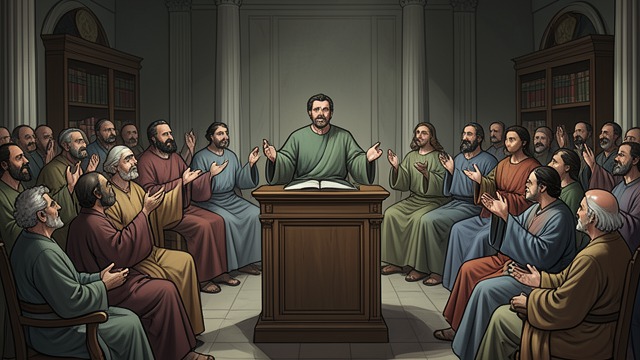
Representation as Consent
Delegates Chosen by Electors
Growing communities can exercise political authority through selected representatives. Their legitimacy depends on carrying the concerns of those who appoint them.
Frequent Renewal
Frequent elections help prevent representatives from forming a separate interest. Regular return to public life keeps authority connected to its source.
A Constitution Founded on Rights
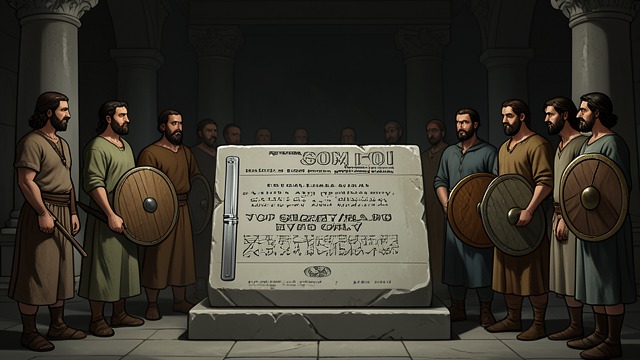
A Constitution Founded on Rights
Publicly Established Authority
A charter can make the people’s political commitments explicit and define the limits of government. Authority begins with a public compact rather than a royal inheritance.
Equality Made Institutional
The proposed order gives each part rights that the whole agrees to protect. Natural equality becomes a constitutional principle with practical consequences.
At the opening of the monarchy discussion
During the argument against hereditary succession
As Paine distinguishes personal merit from inherited status
As Paine describes elections and delegates
At the proposal for a continental charter
